%20(600%20x%20120%20px)%20%E8%83%8C%E6%99%AF%E9%80%8F%E9%81%8E.png)


How to Make Tofu at Home: A Recipe by a Tofu Meister in Tokyo, Japan
Updated: Aug 28
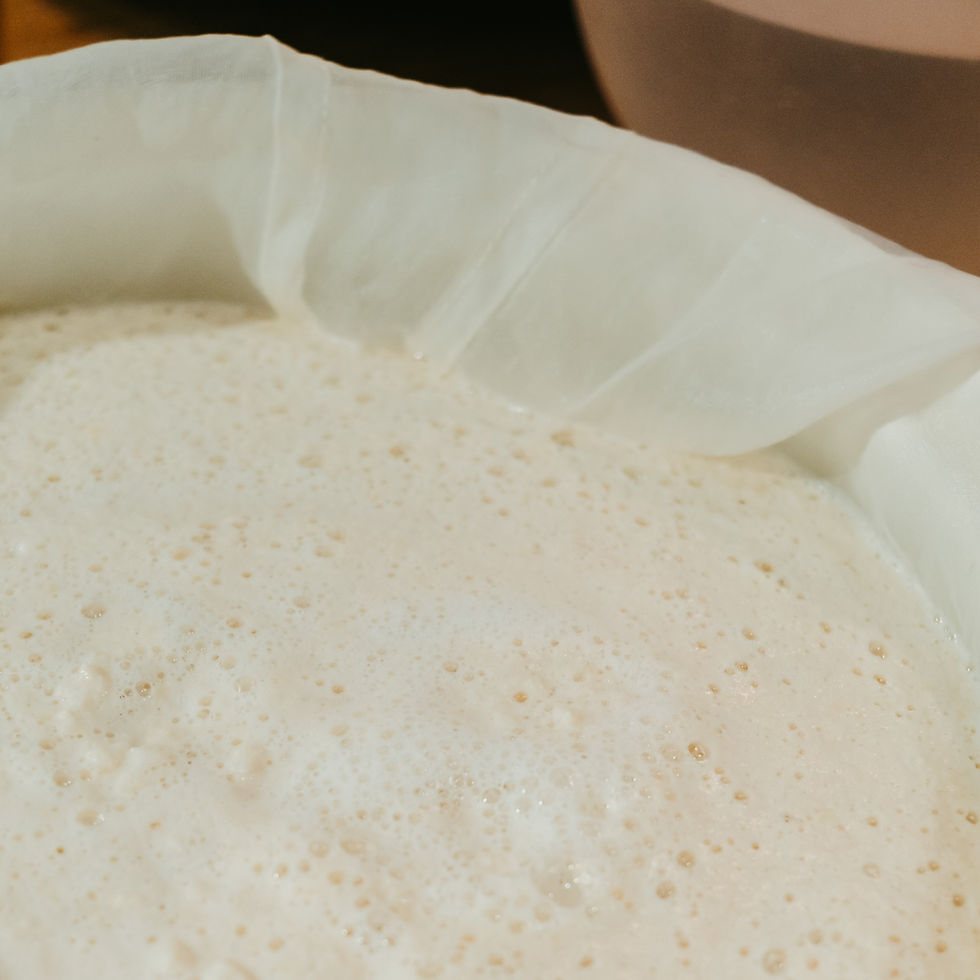
Table of Contents
How to Make Tofu at Home with Just Three Ingredients
Learning how to make tofu at home starts with a surprisingly short ingredient list: soybeans, nigari, and water. That's it.
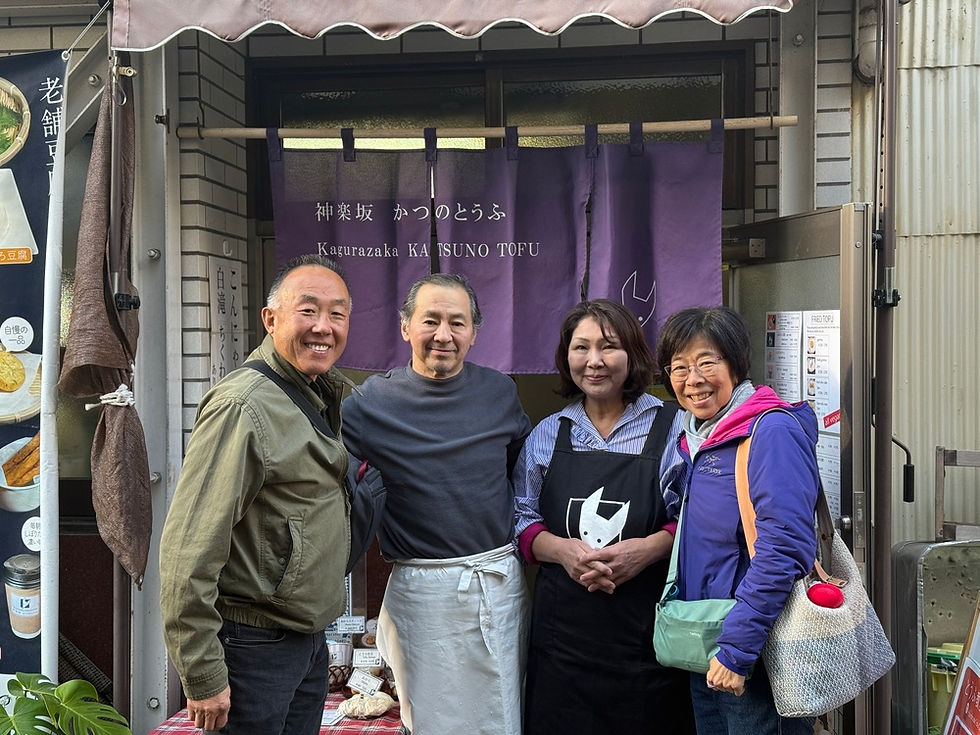
This recipe comes directly from Kai Moriyama, a certified Tofu Meister at "Katsuno Tofu," a long-established tofu shop founded in 1942 in Kagurazaka, Shinjuku. Katsuno Tofu is currently the only remaining tofu shop in Kagurazaka, and its tofu is said to have been loved by former Japanese Prime Minister Kakuei Tanaka (1918–1993). The shop has long supplied tofu to high-end Japanese restaurants in the neighborhood, and its rich flavor often surprises first-time customers.
Kai Moriyama, raised in Kagurazaka and formerly a nurse, now works at Katsuno Tofu and teaches tofu-making classes out of a desire to preserve the culture of handmade tofu — including workshops at elementary schools, to pass the tradition on to the next generation.
Tofu also carries a quieter, older significance in Japan. In Zen monasteries such as Eiheiji Temple in Fukui, the head temple of the Sōtō school, meat and fish are forbidden, and tofu becomes one of the monks' essential sources of protein — elevated in shōjin cuisine to something close to sacred. That makes tofu-making naturally suited to vegetarian, vegan, and mindful eating, since the only ingredients are plant-based and mineral in origin.
This guide walks through the exact process Kai teaches in her workshop, so that you can recreate it in your own kitchen.

What You Need to Make Tofu at Home
Ingredients
300g soybeans
12g nigari
1 liter of 80°C water
Equipment
Blender
Thermometer
Wooden spatula
Measuring cup
Ladle
Bowl
Straining bag and cloth
Tofu mold
Preparation the Day Before
Wash 300g of soybeans thoroughly and soak them in plenty of water — at least three times the volume of the soybeans.
Note: Soak for about 14 hours in winter and about 8 hours in summer.
Understanding "Go" and "Nigari" Before You Make Tofu at Home
Go (Soy Pulp)
"Go" is the term used in tofu-making for the mixture of ground soybeans and water. It's created by blending soaked soybeans with hot water until the mixture becomes a thick, slightly grainy paste. The "Go" is then strained to separate the liquid (soy milk) from the solid pulp (okara). The soy milk becomes tofu; the okara can be used in other dishes.
Nigari (Coagulant)
The word "nigari" is written with characters that literally mean "bitter juice," and it lives up to the name — a sharp, briny liquid left behind after salt is extracted from seawater. Nigari is the natural coagulant that makes tofu possible. Consisting mainly of magnesium chloride, it causes the soy milk to coagulate into curds, which are then pressed into tofu. The amount and type of nigari used affects both the texture and flavor of the finished tofu — which is why it's treated as the most critical ingredient in the entire process, despite being used in the smallest quantity.
One detail worth knowing: pure, undiluted nigari doesn't spoil. It has essentially no expiration date — much like salt, it can be treated as keeping indefinitely.
How to Make Tofu at Home: The Complete Tofu Making Process
Step 1: Pre-preparation
Drain the soaked soybeans using a colander. Wet the straining bag with water and squeeze out the excess. Prepare diluted nigari by mixing approximately 12g of nigari with five times the amount of water (totaling 60g).

Step 2: Making the "Go"
For each cup of soybeans, add one cup of hot water to the blender. Blend until the mixture becomes thick and slightly grainy when rubbed between your thumb and index finger, then transfer it to a bowl. Repeat until all soybeans are processed, then add any remaining hot water to the blender, blend briefly, and transfer to the bowl.

Step 3: Straining the "Go" to Make Soy Milk
Pour the blended mixture into the straining bag and squeeze thoroughly to separate the soy milk from the okara (soy pulp). Pour 1 liter of soy milk into a pot.

Step 4: Heating the Soy Milk
Heat the soy milk over high heat, stirring constantly with a wooden spatula to prevent burning. Once it boils and foam rises, turn off the heat. When the foam subsides, simmer on low heat for 10 minutes, stirring occasionally. Turn off the heat and let it cool to just below 80°C.

Tofu Meister's Tip
Even with a timer running, Kai watches the pot, not the clock. The hardest moment in this whole process is catching the soy milk right before it boils over — if it spills, the heat can't be relit, and that batch ends there. When a participant manages to catch it just in time, the room breaks into applause.

Step 5: Adding the Nigari
Stir the soy milk in a circular motion to create a whirlpool. Once the whirlpool forms, quickly pour in the nigari. Stir rapidly three times, then use the wooden spatula to stop the whirlpool.
Note: The soy milk will start to coagulate within 3 seconds, so stir quickly.

Step 6: Coagulation
Cover the pot with a lid and let it sit for 10 minutes. At this stage, you have "Yose Tofu" (soft tofu).

Step 7: Molding the Tofu
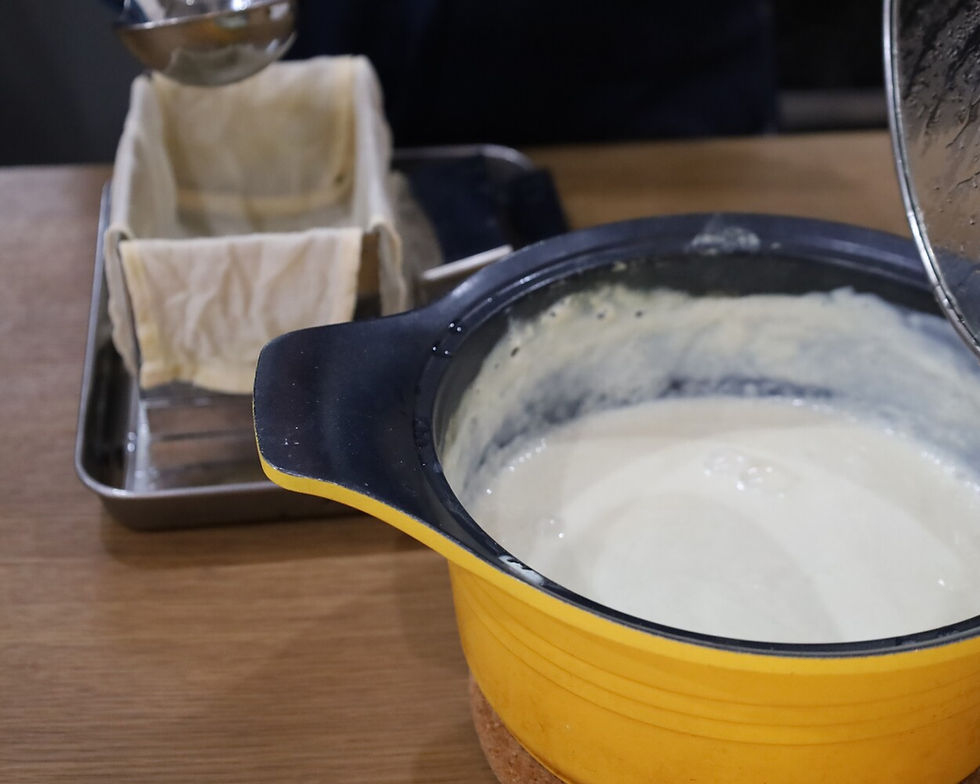
Line a tofu mold with a wet cloth, and scoop the tofu mixture into the mold using a ladle. Smooth the surface, wrap it with the cloth, cover with a lid, and place a weight on top. Let it sit for 10 minutes.

Step 8: Removing the Mold
Remove the lid, place a tray or plate on top, invert it, and gently remove the mold. You can also prepare a bowl of water and remove the mold while submerged in the water.

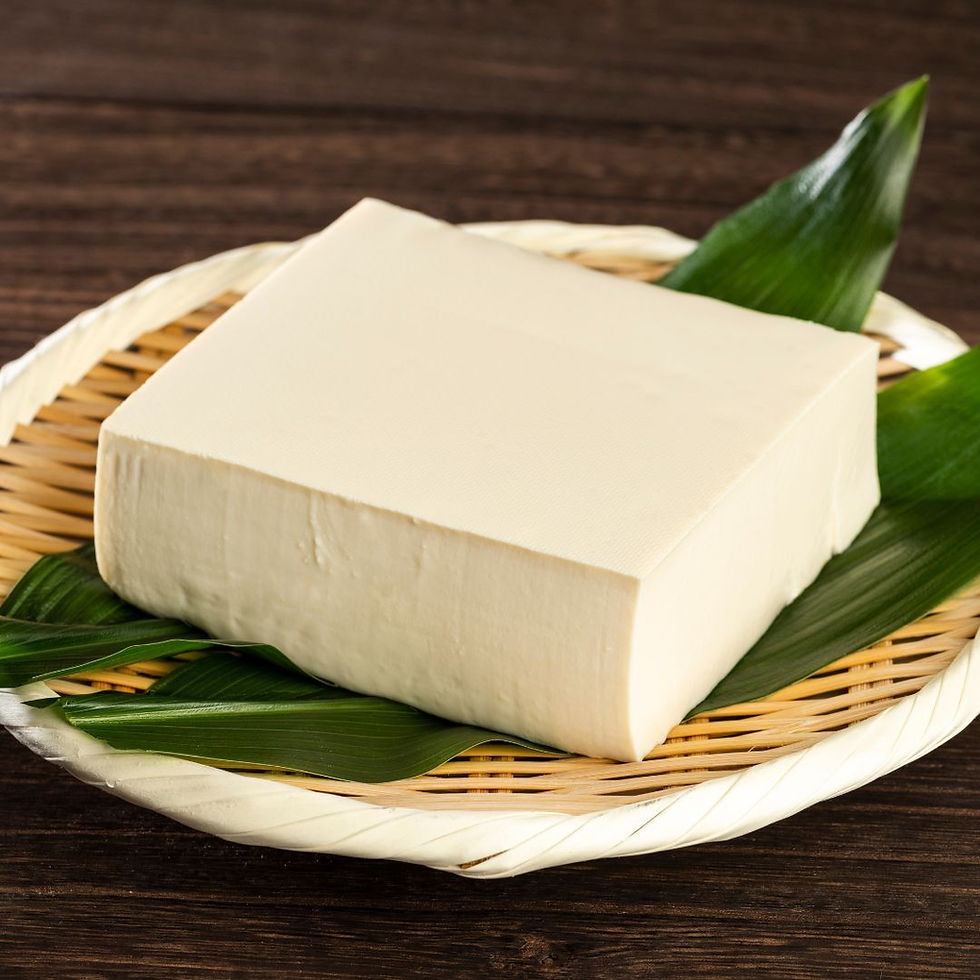
Delicious tofu is ready. Enjoy!

Key Points to Remember
A quick recap of the moments in the process above where the recipe itself calls for particular care:
Soak soybeans for about 14 hours in winter and about 8 hours in summer.
Stir constantly while heating the soy milk, to prevent burning.
Cool the soy milk to just below 80°C before adding the nigari.
Once you add the nigari, stir rapidly three times and then stop — coagulation begins within about 3 seconds.
Let the tofu rest undisturbed for the full 10 minutes at both the coagulation stage (Step 6) and the pressing stage (Step 7).

What Makes Homemade Tofu Taste Different?
Participants in the Kagurazaka workshop often say the same thing afterward: they've never tasted tofu quite like it before. Freshly made tofu is soft yet resilient, fresh and fragrant — an entirely different food from the packaged varieties found in supermarkets.
Kai has her own explanation for why: "Good tofu comes from using high-quality, Japanese-grown soybeans," she says.
Tofu tends to taste better when the soybeans have a higher protein content — generally in the 42–45% range — because protein content directly affects how much solid matter transfers into the soy milk during extraction, which is what gives tofu its richness and natural sweetness. Japanese-grown soybeans are generally higher in protein than many imported varieties, which are often cultivated primarily for soybean oil production and tend to be lower in protein and higher in fat as a result. (Source: Japan's Ministry of Agriculture, Forestry and Fisheries.)
Enjoying Your Tofu and Its Byproducts
Tofu appears throughout Japanese home cooking in many forms — from silken hiyayakko on a hot summer day to the bubbling warmth of yudofu in winter, from miso soup to sukiyaki, to the bold center of a dish like mápò dòufu.
The byproducts of making tofu are part of the tradition too. Okara, the soy pulp left after straining, is the same ingredient used to make Unohana, one of the dishes served alongside tofu in the Kagurazaka workshop. Katsuno Tofu has also developed modern products from tofu, soy milk, and okara — including "TOFU sweets" such as donuts and muffins, popular with visitors strolling through Kagurazaka.

Learn How to Make Tofu at Home from a Tofu Meister in Tokyo
Reading through the process is one thing — making it with your own hands, guided step by step by the person who's taught it for years, is another.
In Kagurazaka, Shinjuku, EDO KAGURA's Tofu Workshop is taught directly by Kai Moriyama at Katsuno Tofu, the shop founded in 1942 that remains the last traditional tofu shop in the neighborhood. Over about 1.5 hours, you'll make your own tofu from soybeans, nigari, and hot water, then sit down to taste it fresh alongside Katsuno Tofu's own Ganmodoki (fried tofu balls) and Unohana (a dish made from okara) — a vegetarian-friendly experience with no meat or seafood involved.
You can also purchase nigari directly at Katsuno Tofu to take home. Pure, undiluted nigari has essentially no expiration date — much like salt, it keeps indefinitely — so you can recreate this recipe long after your trip to Japan ends.
Tofu Workshop by Meister
3 guests: ¥20,000 per person
4–6 guests: ¥17,000 per person
Duration: approximately 1.5 hours
Optional add-ons are also available exclusively for workshop participants: a one-hour walking tour of Kagurazaka's historic backstreets (¥7,000 per person), or a one-hour guided lunch tour exploring the neighborhood's culinary culture (from ¥12,000 per person).
Curious what the workshop itself feels like, beyond the recipe?
Book Experience
How to Access Kagurazaka
The Kagurazaka area is conveniently located within 30 minutes from any major station in Tokyo. This is because Kagurazaka is situated in the heart of Tokyo, at the center of the Yamanote Line. Please come and visit this convenient and charming Kagurazaka.

Comments